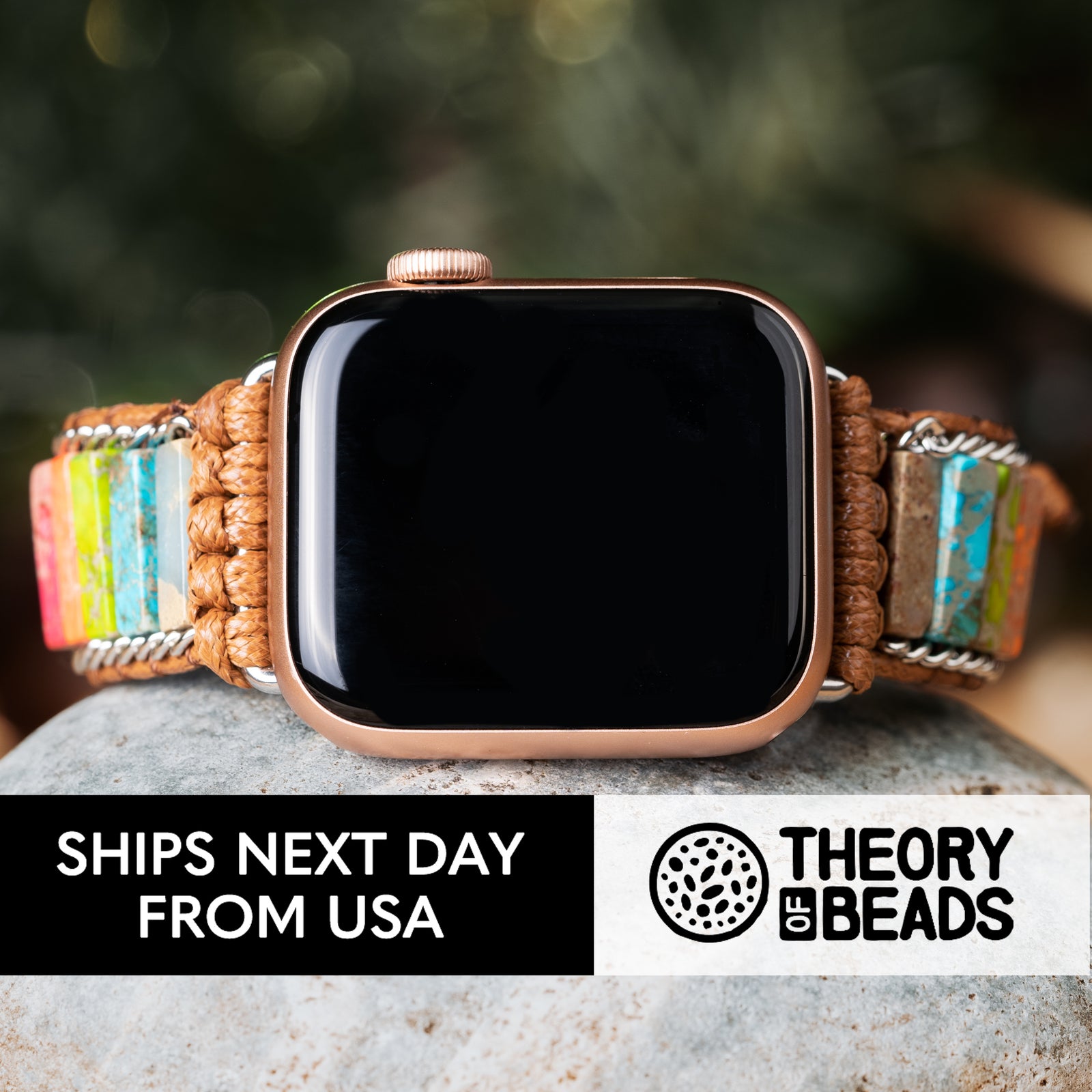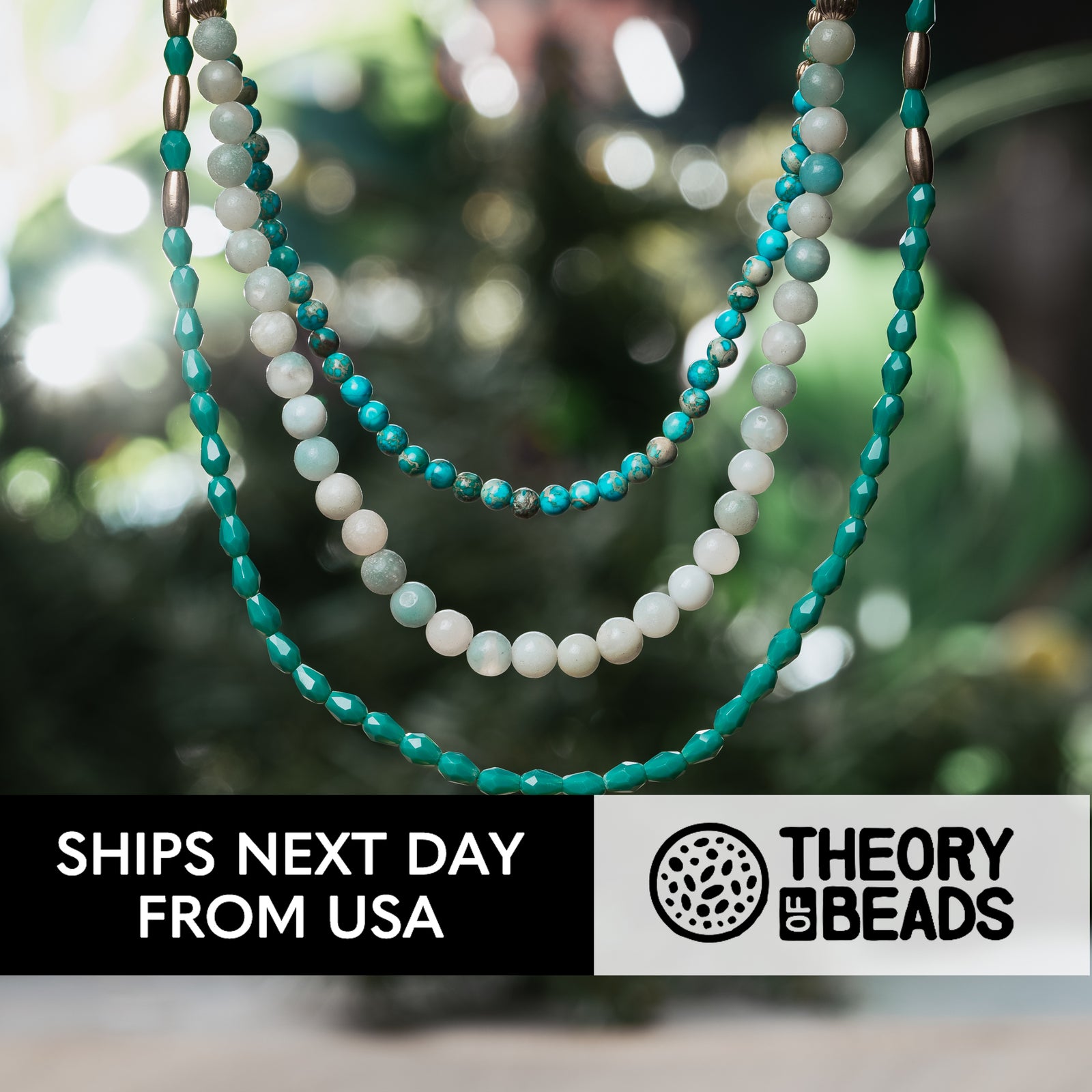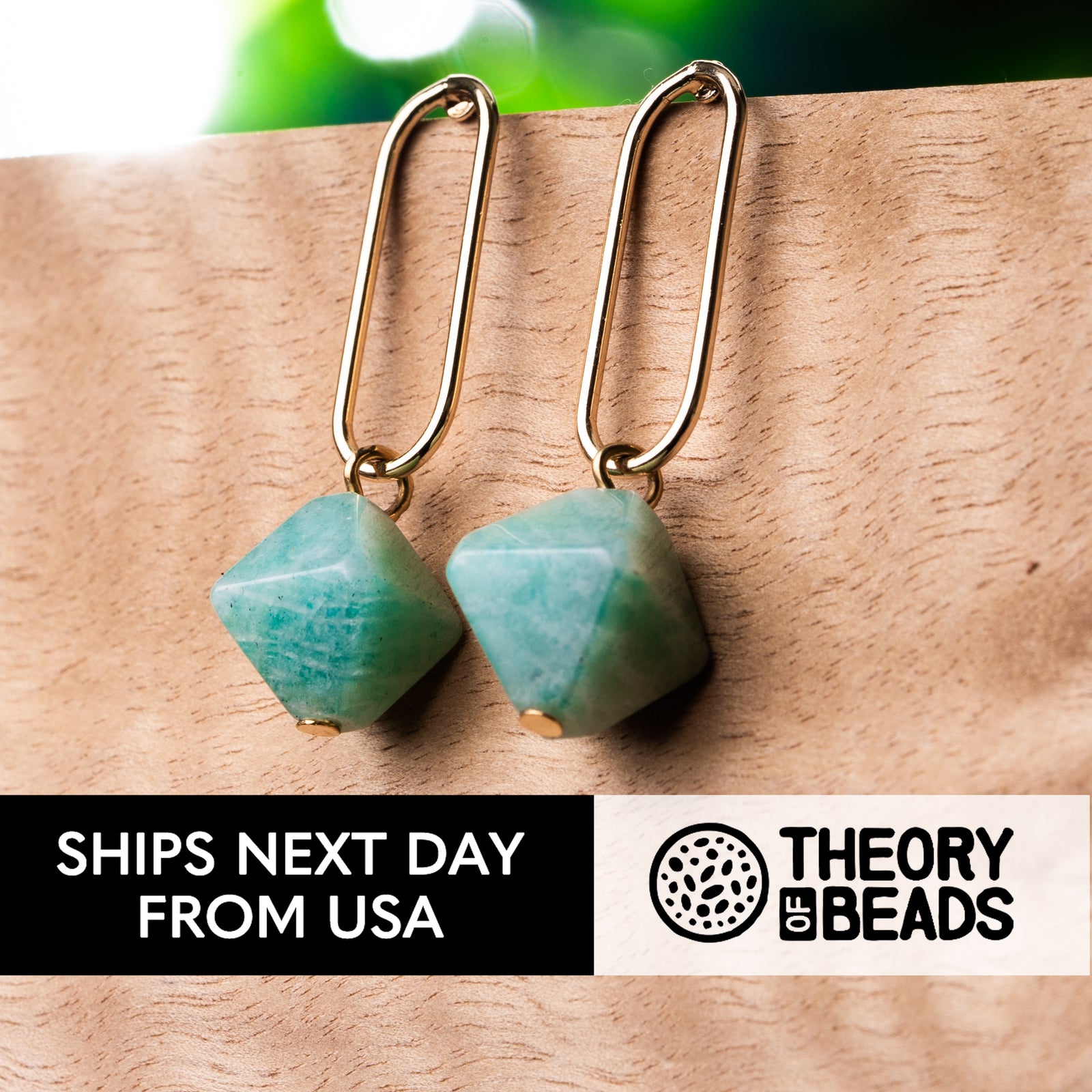

Natural Stone Bracelets vs Crystal Bracelets: What’s the Difference?
A lot of jewelry trends come and go, but some pieces manage to stick around year after year. Stone bracelets made from natural materials fall into that category. They have a laid-back charm that works with almost anything, and they carry a story that goes beyond their appearance.
But shopping for these bracelets isn't always straightforward. One website might describe these pieces as crystal jewelry, while another may place similar designs in a broader gemstone jewelry category. When you keep seeing different labels, it can be tough to figure out the difference.
If you've ever found yourself scratching your head over the differences, you're not alone. This guide explains the differences in clear terms, including how these bracelets are classified, what materials they contain, and which option may best suit your style and preferences.
What Are Natural Gemstone Bracelets?
Natural gemstone bracelets are jewelry pieces made with naturally occurring minerals, rocks, or organic materials that have been selected, cut, and polished for decorative use. These stones are cut, shaped, polished, and transformed into beads or decorative elements that can be worn on the wrist. Popular examples include amethyst, jade, turquoise, garnet, and quartz varieties.
What makes natural stone bracelets unique is the origin of the materials. Variations in color, veining, inclusions, and patterns occur naturally during the stone's formation process, giving each bracelet its own distinct appearance. These characteristics are valued as signs of authenticity rather than imperfections.
What Are Crystal Bracelets?
In geological terms, a crystal is a solid whose atoms are arranged in an ordered, repeating structure. In jewelry retail, however, the term “crystal bracelet” is often used more loosely for designs made with quartz varieties and other stones associated with crystal collecting or spiritual traditions. Many popular bracelet stones, including quartz, amethyst, citrine, and fluorite, fall into this category. The stones are usually cut into beads, polished, and strung together to create wearable jewelry.
Depending on the crystal type, the beads may appear transparent, translucent, or richly colored. Their distinctive appearance and long history in jewelry making have made crystal bracelets a popular choice for both fashion and personal expression.
Read more: Best Tila Beads for Bracelet Making: Top Miyuki Styles for Every Design
Natural Stone Bracelets vs. Crystal Bracelets: Key Differences

Although the terms are used interchangeably, natural stone bracelets and crystal bracelets are not always the same thing. The table below highlights the main differences between the two:
|
Feature |
Gemstone Bracelets |
Crystal Bracelets |
|
Primary Focus |
Jewelry quality, appearance, and craftsmanship. |
Crystal composition, visual characteristics, and traditional symbolism. |
|
Material Source |
Natural minerals, rocks, and organic gemstones. |
Minerals that develop in a crystal lattice structure. |
|
Formation Process |
Can form through mineral, rock, or organic processes. |
Form through highly organized atomic arrangements. |
|
Examples |
Jade, turquoise, garnet, lapis lazuli, opal, and pearl. |
Quartz, amethyst, citrine, fluorite, clear quartz, and smoky quartz. |
|
Appearance |
Chosen for color, rarity, and decorative value. |
Frequently admired for clarity, transparency, and light reflection. |
|
Jewelry Industry Use |
Commonly classified and sold as fine or semi-precious jewelry. |
Marketed based on crystal type and natural properties. |
|
Durability |
Varies by gemstone but many are selected for everyday wear. |
Durability depends on the specific crystal used. |
|
Natural Variations |
Veins, inclusions, color zoning, and organic patterns are common. |
Crystal faces, transparency, and internal formations are visible. |
|
Traditional Symbolism |
Frequently associated with heritage, status, prosperity, or personal milestones. |
Commonly linked to mindfulness, energy work, and spiritual traditions. |
|
Market Category |
A broad category that includes many different stone types. |
A more specific category focused on crystalline minerals. |
|
Collector Appeal |
Valued for rarity, origin, and gemstone grading. |
Frequently collected for unique crystal formations and colors. |
|
Examples Found in Both Categories |
Amethyst, quartz, citrine, and emerald can be considered gemstones and crystals. |
Many crystal varieties are also recognized as gemstones when used in jewelry. |
Why Some Stones Are Both Gemstones and Crystals
The line between these categories is not always clear-cut. Many popular bracelet stones, including amethyst, citrine, and quartz, are technically crystals and gemstones at the same time. In most jewelry collections, the difference comes down to how the stone is classified, marketed, and appreciated rather than how it is worn.
Natural Stone or Crystal Bracelets: Which Should You Choose?
 The right bracelet depends on what matters most to you. Since there is overlap between gemstones and crystals, your decision may come down to personal preferences rather than strict categories.
Choose Natural Stone Bracelets If:
-
You appreciate the natural beauty and rarity of earth-formed stones.
-
You want a bracelet with a classic, timeless appearance.
-
You enjoy unique colors, patterns, and mineral characteristics.
-
You are shopping for a meaningful gift with lasting appeal.
-
You prefer jewelry that highlights craftsmanship and natural materials.
Choose Crystal Bracelets If:
-
You are drawn to stones with transparency, sparkle, or light-reflecting qualities.
-
You enjoy learning about the history and symbolism associated with crystals.
-
You want a bracelet that feels connected to personal intentions or mindfulness practices.
-
You like collecting different crystal varieties and colors.
-
You appreciate stones with distinctive crystal formations and visual depth.
Choose Either If:
-
You simply love the way the bracelet looks on your wrist.
-
You want a piece that complements your everyday style.
-
You value natural materials and handcrafted jewelry.
-
You are building a bracelet stack with different colors and textures.
-
You want a personal accessory that reflects your taste and personality.
The best choice is ultimately a bracelet you will enjoy wearing. Consider its color, bead size, craftsmanship, durability, comfort, and personal meaning rather than relying only on the category printed on the product page.
How to Spot Natural Stone Bracelets
 Natural stones have characteristics that are difficult to replicate perfectly. While high-quality imitations can look convincing at first glance, a closer inspection usually reveals a few clues about whether a bracelet contains genuine stone beads.
These observations can help with an initial inspection, but no single visual, weight, or temperature test can prove that a bracelet is genuine. For valuable jewelry, detailed seller disclosure or professional gemological testing is more reliable:
Look for Natural Variations
Nature rarely creates identical patterns. Genuine stone beads display slight differences in color, veining, speckles, or translucency. If every bead looks exactly the same, the bracelet may be made from dyed material, glass, or synthetic stone.
Check the Surface Texture
Natural stones typically have subtle imperfections that give them character. Tiny inclusions, mineral lines, and uneven color distribution are common. A surface that appears overly flawless or plastic-like can be a sign of imitation materials.
Pay Attention to Weight
Most natural stones feel heavier than plastic or resin alternatives. When you hold a bracelet in your hand, the beads should have a noticeable weight relative to their size. Lightweight beads indicate manufactured materials.
Examine the Temperature
Stone and glass often feel cool when first touched because they conduct heat differently from plastic or resin. This observation may be useful, but it cannot distinguish natural stone from glass or confirm authenticity by itself.
Inspect the Drill Holes
The holes drilled through natural stone beads may reveal the stone's internal color and structure. If the inside looks dramatically different from the outer surface, the bead may have been dyed or coated.
Watch for Repeating Patterns
One of the easiest ways to identify imitation stones is by looking for repeated markings. Natural stones develop unique patterns over time, so identical veins, swirls, or spots across multiple beads can suggest a manufactured product.
Buy From Reputable Sellers
A trustworthy jewelry maker or retailer will usually provide information about the stone type, sourcing, and materials used. Detailed product descriptions and clear photos indicate greater transparency about what you're purchasing.
Ask About Treatments
Many genuine stones undergo treatments such as polishing, stabilization, or dyeing to improve appearance and durability. These processes don't necessarily make a stone fake, but knowing about them helps you make an informed purchase.
Read more: Half Tila vs Quarter Tila Beads: Sizes, Uses & Key Differences Explained
How to Care for Natural Stone and Crystal Bracelets
 Proper care depends on the stone and the bracelet’s construction. As a general rule, keep stone jewelry away from perfume, hairspray, household cleaners, and prolonged moisture. Wipe the beads gently with a soft, dry cloth after wearing them, especially if the bracelet has been exposed to sweat or skincare products.
Avoid soaking a bracelet unless the maker confirms that every stone, metal component, adhesive, and stringing material is water-safe. Some stones are porous, soft, coated, dyed, or stabilized and may be damaged by water, heat, sunlight, or chemical cleaners. Elastic bracelets should be rolled gently over the hand rather than pulled or stretched excessively.
When you are not wearing the bracelet, store it separately in a soft pouch or lined jewelry box. This prevents harder stones and metal components from scratching softer materials.
Final Thoughts
Gemstone and crystal are overlapping rather than opposing categories. “Gemstone” generally describes a material’s decorative or jewelry use, while “crystal” describes its ordered internal structure or, in retail settings, its connection to crystal traditions. That is why stones such as amethyst and quartz may appear under either label.
When choosing between the two, focus on the details that matter most to you. The stone's appearance, craftsmanship, symbolism, and overall feel play a bigger role than the label attached to it. Whether you prefer vibrant colors, subtle veining, polished beads, or symbolic meaning, choose a bracelet based on its material, craftsmanship, comfort, and connection to your personal style.
Find Your Perfect Bracelet at Theory of Beads
Discover the handcrafted designs at Theory of Beads, where natural beauty meets thoughtful craftsmanship. Browse our collection of stone bracelets, crystal-inspired pieces, colorful tila bead designs, and other unique accessories created to complement your everyday style.
Looking to complete your look? Explore our matching stone necklaces, stone earrings, and beaded jewelry collections for even more ways to wear the colors and materials you love. Shop now!
FAQs
Can gemstone and crystal bracelets contain the same stones?
Yes. Many popular jewelry stones, such as amethyst, citrine, and quartz, can be classified as both gemstones and crystals. The category depends on how the stone is being discussed or marketed.
Are all gemstone bracelets made with natural stones?
Not always. A bracelet may contain untreated natural stones, treated natural stones, lab-created stones, reconstructed materials, glass, or a combination of components. Review the material description and treatment disclosures before purchasing. Checking the product description can help you understand exactly what you're buying.
Do natural stones look identical to one another?
No. Natural stones typically have unique patterns, color variations, and inclusions that develop during their formation. These differences are part of what makes each bracelet unique.
Which type is better for everyday wear?
That depends on the stone itself. Some stones are highly durable and suitable for daily use, while others require a little more care. Durability varies more by stone type than by category.
Can I stack different stone bracelets together?
Absolutely. Mixing different colors, textures, and bead sizes can create a personalized look. Many jewelry enthusiasts combine multiple bracelets to add depth and variety to their style.
How do I know if a bracelet is genuine?
Look for natural variations in the beads, review the material information provided by the seller, and purchase from reputable jewelry brands that clearly disclose their materials and sourcing.
Do stone bracelets make good gifts?
Yes. Their natural beauty, variety of colors, and personal symbolism make them popular gifts for birthdays, anniversaries, holidays, and other special occasions.
How should I store my bracelets when not wearing them?
Store them in a soft jewelry pouch or box away from direct sunlight, moisture, and harsh chemicals. Proper storage helps preserve the appearance of both the stones and the bracelet components.
Which stones are commonly used in healing crystal bracelets?
Popular choices for healing crystal bracelets include amethyst, clear quartz, rose quartz, citrine, black obsidian, and fluorite. Different crystals are traditionally associated with different qualities and meanings.