
What Do Different Stones Mean in Bracelets? (Full Guide)
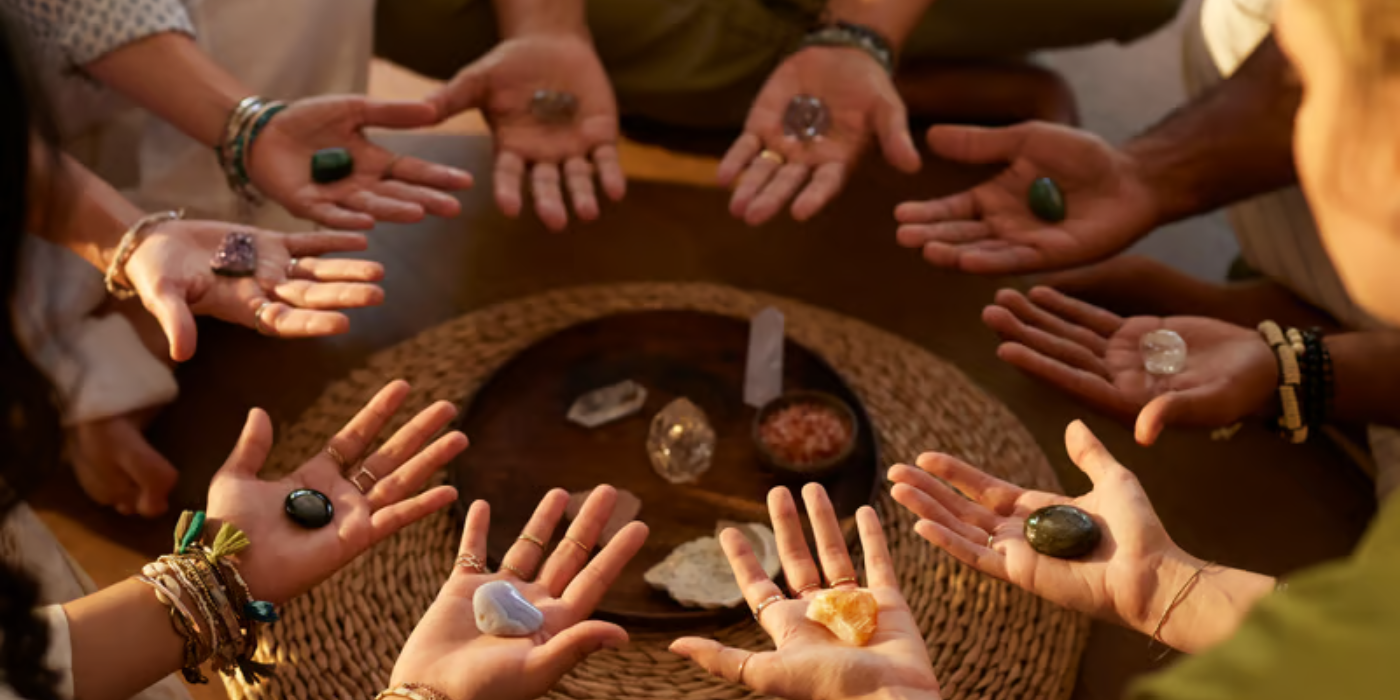
You’re at a friend’s place, and they’re showing you a small tray of bracelets they’ve collected over time. Each one looks a little different. Some are deep and dark, some are soft and light, and a few catch the light in a way that feels almost unexpected. You pick one up without thinking too much, but your fingers pause. It feels different in your hand, not just in look but in presence.
Your friend says something like, “This one’s supposed to bring calm,” and suddenly you start noticing all of them a little more closely. Not just as accessories, but as pieces with stories people attach to them.
This guide is here to help you understand stone bracelet meanings in a simple, approachable way. way. It walks you through common interpretations and how people relate emotions and beliefs to stones in everyday jewelry. By the end, you’ll have a clearer sense of stone bracelet meanings and what different stones are often associated with in a way that feels easy to follow, not overwhelming.
How Stone Bracelet Meanings Developed Over Time
There is something about stones that invites interpretation. Maybe it is the way they come from deep inside the earth, shaped slowly over time, without urgency. Or maybe it is how each one carries small differences in color, pattern, and weight. People often look at these details and start attaching meaning, even before they realize it.
Across history, stone bracelet meanings have been linked with emotions, protection, and personal intention. In ancient cultures, they were not only worn for decoration but also as symbols tied to belief and identity. Over time, these ideas shifted into modern jewelry, where meaning became more personal than fixed.
Today, stone bracelet meanings often come from a mix of tradition, culture, and personal feeling. One person may see calm in a soft-colored stone. Another may feel strength in a darker one. There is no single rule that decides what a stone should represent.
Read more: The Art of Zen: How Bracelets Can Bring Balance to Your Life
Do Stone Meanings Really Affect You?
Stone bracelet meanings often sit between belief, culture, and personal experience. They are not fixed truths, but ideas that people connect with through memory, emotion, and daily use. What a stone means can shift depending on the person wearing it and the moments it becomes part of.
Cultural Meaning and Symbolism
Different cultures assign meanings to stones based on history and tradition, shaping how people first understand them.
Emotional Connection in Daily Life
Personal feelings form when a stone is worn regularly, often linking it to moods, routines, or memories.
Scientific Perspective on Stones
Science explains stones through composition and formation, focusing on physical properties rather than symbolic meaning.
Personal Belief vs Shared Tradition
Meaning often exists between what is inherited and what is personally felt.
Read more: Stone Necklaces for Zodiac Signs: Embrace Your Astrological Energy
What Each Stone Represents in Jewelry
When you look closely at bracelets made with natural stones, metals, beads, or mixed materials, each style carries a slightly different feeling. Some feel calm and soft, others feel grounded or structured depending on how they are made and worn. This is part of why people continue exploring what each stone represents in jewelry across different cultures and personal traditions.
Here is the debate on what each stone represents in jewelry:
Clear Quartz Bracelet
The Meaning: Clarity and Focus
Clear quartz has long been associated with clarity and simplicity. In ancient Greece, it was believed to be permanently frozen ice, shaped by gods and time. This stone is often used in bracelets for its clean, transparent look that feels light yet steady on the wrist. Its clear appearance feels calm and balanced in everyday wear without overpowering other pieces.
Styling Tips
-
Pair with neutral outfits like white, beige, or soft grey tones
-
Works well in layered bracelet stacks for a minimal look
-
Matches easily with silver accessories and simple watches
-
Suitable for both casual and semi-formal outfits
-
Keep styling light to let the natural clarity stand out
Amethyst Bracelet
The Meaning: Calm Balance and Reflection
 Amethyst has been linked with calm thinking and emotional balance for centuries. In Ancient Rome, it was worn by people who believed it helped keep the mind steady during important decisions. The stone carries a soft purple tone that feels quiet and composed on the wrist. It is often chosen for its gentle presence that blends into everyday wear without feeling heavy or intense.
Styling Tips
-
Pair with soft tones like lavender, white, or muted blue
-
Works well with silver or white metal accessories
-
Ideal for relaxed, everyday outfits or evening wear
-
Layer with simple bead bracelets for a soft stacked look
-
Keep styling minimal to let the color stay natural
Rose Quartz Bracelet
The Meaning: Soft Emotional Warmth
Rose quartz is often connected with gentle emotional energy and comfort. In ancient Egyptian culture, it was used in decorative pieces believed to represent care and harmony. The soft pink shade gives it a warm, calming look that feels easy on the wrist. It blends naturally into daily life and is often chosen for its soft visual tone rather than bold appearance.
Styling Tips
-
Pair with light colors like cream, blush, or soft beige
-
Matches well with gold-toned jewelry
-
Works nicely in layered, delicate bracelet stacks
-
Suitable for both casual and soft dressy outfits
-
Keep combinations light to maintain their gentle feel
Tiger Eye Bracelet
The Meaning: Strength and Focus
Tiger eye has been used historically in Roman and Egyptian times as a protective stone for travelers and soldiers. Its golden-brown bands create a shifting effect under light, giving it depth and movement. The bracelet often feels steady and grounded in everyday wear, often chosen for its bold yet natural appearance.
Styling Tips
-
Pair with earthy tones like brown, olive, or black
-
Works well with leather or metal accessories
-
Suitable for structured, everyday outfits
-
Can be worn as a single statement piece
-
Keep styling simple to highlight its natural pattern
Lava Stone Bracelet
The Meaning: Grounded Energy and Stability
Lava stone comes from volcanic rock formed under intense natural heat and pressure. It has been used in various cultures as a grounding material due to its raw and earthy appearance. The surface is textured and slightly porous, giving it a natural, rugged feel that sits firmly on the wrist.
Styling Tips
-
Pair with dark or neutral outfits for a grounded look
-
Works well with black or steel accessories
-
Ideal for minimal, everyday wear
-
Can be layered with simple bead bracelets
-
Keep styling clean to highlight its raw texture
Green Stones (Jade & Jasper) Bracelet
The Meaning: Harmony and Balance
Green stones like jade have a long history in Chinese culture, especially during the Shang Dynasty, where they symbolized harmony and protection. Jasper has also been used in many traditions as a stabilizing stone. These bracelets often carry deep green tones that feel natural and steady on the wrist.
Styling Tips
-
Pair with earth tones like beige, brown, or olive
-
Works well with wooden or gold accessories
-
Suitable for daily wear and relaxed outfits
-
Can be layered with neutral bead bracelets
-
Keep styling natural to maintain its earthy tone
Black Stones (Onyx & Obsidian) Bracelet
The Meaning: Protection and Strength

Black stones have been used across ancient cultures as protective symbols. Onyx was popular in Roman jewelry, while obsidian was valued in early civilizations for its sharp, reflective surface. These bracelets carry a deep, solid appearance that feels bold and grounded.
Styling Tips
-
Pair with monochrome or dark outfits
-
Works well with silver or steel accessories
-
Ideal for structured or formal looks
-
Can be worn alone for a strong presence
-
Keep styling minimal to maintain its bold effect
Healing Stone Meanings Chart for Popular Bracelets
This healing stone meanings chart gives a simple overview of how people commonly interpret different bracelet stones. All the bracelets discussed above hold different healing meanings that people have connected with over time. These meanings are not strict rules, but shared interpretations shaped by culture, tradition, and personal experience. Here is a simple healing stone meanings chart:
| Stone | Healing Meaning |
Everyday Feeling
|
| Clear Quartz | Clarity and focus |
Brings a sense of mental simplicity and direction
|
| Amethyst | Calm and balance |
Feels steady and soothing during emotional moments
|
| Rose Quartz | Love and comfort |
Creates a gentle, warm emotional presence
|
| Tiger Eye | Strength and focus |
Feels grounded and supportive in decision-making
|
| Black Onyx | Protection and stability |
Gives a sense of emotional strength and grounding
|
| Jade | Harmony and peace |
Associated with balance and long-standing calm
|
| Jasper | Stability and support |
Feels steady and reassuring in daily wear
|
| Lava Stone | Grounding energy |
Connects to natural, earthy stability and raw texture
|
This chart is only a starting point. Many people interpret stones differently based on their own experiences, moods, and daily lives. Over time, meaning becomes something personal rather than fixed, shaped quietly by the moments you wear them.
How to Choose the Right Stone for You
Choosing a stone often begins with a quiet feeling rather than rules or logic. The right piece usually reveals itself through attention to color, comfort, and how naturally it fits into your daily rhythm. These simple steps help you move closer to a choice that feels steady and personal:
Step 1: Notice Your First Reaction
Pay attention to the stone that draws your eye first, as that instinct often reflects natural alignment.
Step 2: Pay Attention to Color Feel
Observe how different shades affect your mood, since color often shapes emotional response in subtle ways.
Step 3: Match It With Your Daily Life
Choose a piece that fits your regular outfits and routine, so it feels easy to wear.
Step 4: Check Comfort on the Wrist
Make sure the bracelet feels light and natural during wear, as comfort determines long-term use.
Step 5: Let Familiarity Build Over Time
Wear it regularly and allow meaning and comfort to develop naturally through experience.
Final Thoughts
Stone meanings don’t stay fixed in one place. They move between culture, personal memory, and quiet everyday experience. What begins as a simple bracelet often becomes something more familiar over time, shaped by how and when it is worn.
There is no single way to define them. Some stones carry old cultural stories. Some gain meaning through personal moments. Sometimes, a piece just feels right without needing any explanation at all. That feeling matters more than strict definitions.
In the end, it’s about attention to small details. The way a stone feels on your wrist. The way a color sits with your mood. The way it blends into your routine until it becomes part of it.
That’s often where stone bracelet meanings quietly form, not from rules, but from experience.
Explore Natural Stone Bracelets and Jewelry
If you feel drawn to natural textures and simple designs, you can explore calm, thoughtfully made pieces at Theory of Beads. Each collection carries a quiet focus on natural materials and everyday wear that feels easy and grounded.
You can browse here:
Shop today!
FAQs
What do stone bracelet meanings actually refer to?
Stone bracelet meanings usually refer to symbolic ideas linked with color, culture, and personal belief. They are not fixed rules, but interpretations that vary across people and traditions.
Do stone bracelet meanings have scientific proof?
No scientific evidence confirms the emotional or energetic effects of stones. Meanings are mostly based on cultural symbolism and personal experience rather than measurable science.
What do crystal bracelets mean?
Crystal bracelets are often connected with symbolism tied to emotion, personality, culture, or personal belief. Meanings vary widely depending on tradition and individual interpretation.
What do black stone bracelets symbolize?
Black stones like onyx and obsidian are commonly associated with grounding, protection, and emotional stability.
Why do people feel connected to certain stones?
Connection often comes from color preference, texture, memory, and repeated wear. Over time, these small experiences build a personal sense of meaning.
Can the same stone have different meanings?
Yes, the same stone can represent different ideas in different cultures or even for different individuals, depending on belief and personal experience.
Do stone bracelet meanings change over time?
They can change as personal experiences grow. A stone worn during certain life moments often gains new emotional associations.
Should I choose stones based on meaning or feeling?
Most people find it easier to choose based on feeling, comfort, and daily wear rather than fixed meanings, as personal connection develops naturally over time.