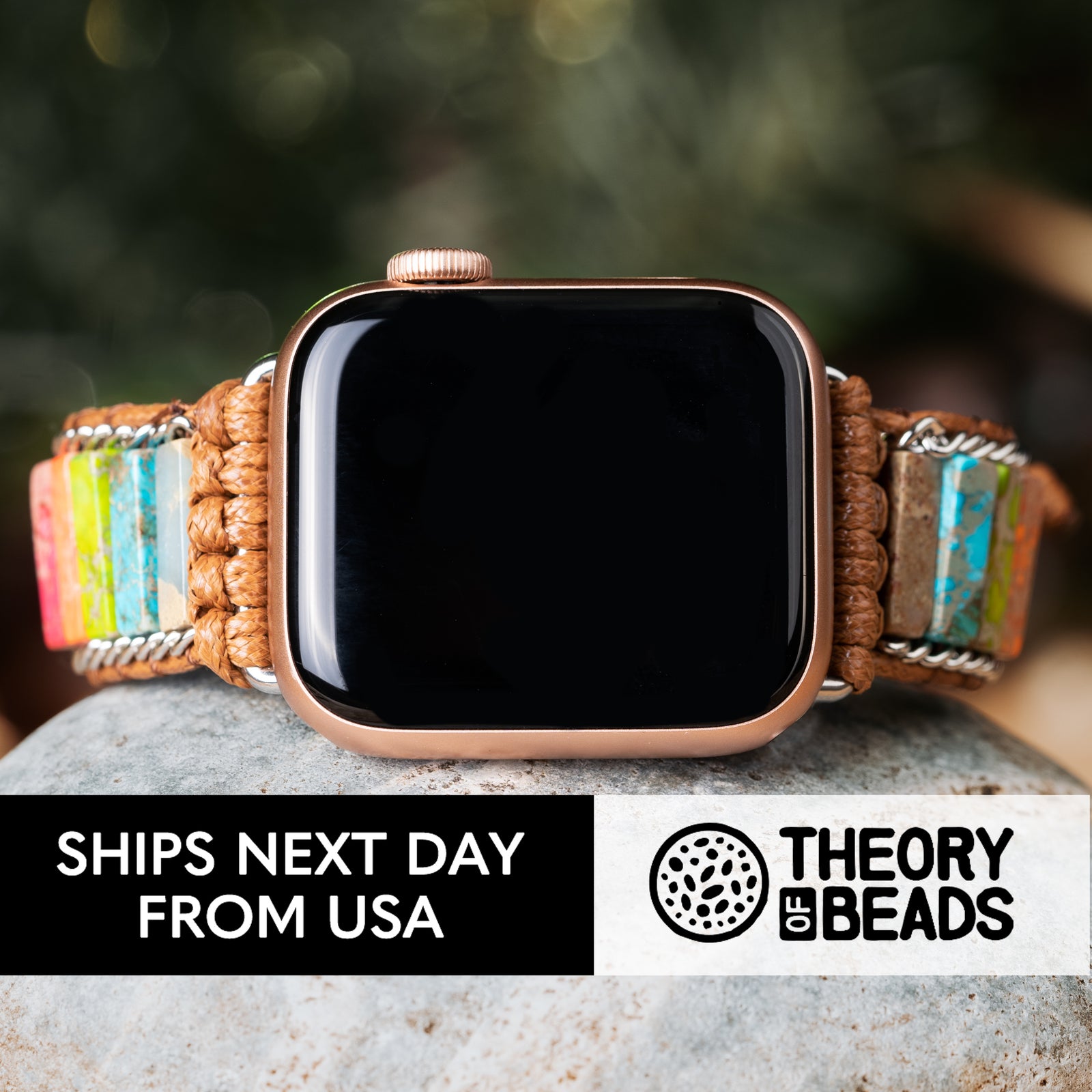
Can You Wear a Beaded Apple Watch Band for Workouts?
Picture this. You lace up your sneakers, head out for a morning walk, and tap your Apple Watch to start tracking your activity. A few minutes in, you glance at your wrist and notice your beaded band sitting comfortably in place. The watch is doing its job, but another thought starts to creep in: Can a beaded Apple Watch band for workouts keep up with exercise, or should it stay reserved for casual days?
The answer depends on the type of activity, the materials used in the band, and how much sweat and movement it needs to handle. A relaxed walk places very different demands on a watch band than a high-intensity training session.
This guide walks you through what to expect when exercising with a beaded Apple Watch band. You will learn how sweat affects different materials, which workouts are better suited to beaded styles, and a few simple ways to keep your band looking its best after regular wear. By the end, you will know exactly when a beaded band fits into your workout routine and when it makes sense to switch things up.
Quick answer: A beaded Apple Watch band generally works best for walking, gentle yoga, stretching, casual cycling, and other light activities. A sport band is usually more practical for intense cardio, heavy weightlifting, contact sports, swimming, or workouts that involve significant perspiration.
Understanding a Gemstone Apple Watch Band for Exercise
 Before taking a gemstone Apple Watch band into your workout routine, it’s important to know how these bands are built and what makes them different from traditional sport bands.
A gemstone Apple Watch band for exercise is typically made with natural stone beads strung on a durable elastic cord. Stones such as tiger’s eye, rose quartz, amazonite, turquoise, and jasper are popular choices because each bead has natural variations in color, pattern, and texture.
The design also affects how the band behaves during movement. Unlike silicone bands that sit tightly against the wrist, beaded styles usually offer a slightly more flexible fit. The beads move naturally as your wrist moves, creating a comfortable wearing experience during everyday activities.
Fit also affects workout tracking. The Apple Watch should remain close enough to the skin to maintain consistent sensor contact. If the band slides, rotates, or leaves the watch too loose, heart-rate and activity readings may become less consistent.
Can You Sweat in a Beaded Watch Band?
Yes, you can sweat in a beaded Apple Watch band for workouts during normal daily activities and light exercise. A short walk, a gentle yoga session, or a busy day on your feet will not usually cause immediate problems. Natural gemstones handle occasional moisture quite well. The area that deserves the most attention is the elastic cord and hardware that hold the band together. Heavy sweating on a regular basis can leave moisture trapped between beads and around connectors. A quick wipe with a soft cloth after activity helps keep the band clean and comfortable. Small habits like this go a long way.
Which Workouts Are Safe for Beaded Apple Watch Bands?
 Many everyday activities pair well with a beaded Apple Watch band for workouts. The following comparison shows which activities are generally suitable and when another band may be more practical.
|
Activity |
General Suitability |
Main Consideration |
|
Walking |
Well suited |
Wipe away moisture afterward |
|
Gentle yoga |
Well suited |
Make sure the watch stays in position |
|
Stretching |
Well suited |
Avoid overstretching the elastic |
|
Casual cycling |
Usually suitable |
Perspiration may increase outdoors |
|
Easy hiking |
Usually suitable |
Protect the beads from rocks and impact |
|
HIIT |
Not ideal |
Rapid movement and heavy perspiration |
|
Weightlifting |
Not ideal |
Equipment may press against the beads |
|
Contact sports |
Avoid |
Greater risk of impact or breakage |
|
Swimming |
Avoid |
Prolonged water and chemical exposure |
Walking and Daily Step Goals
Walking is one of the safest activities for a beaded Apple Watch band. The wrist stays relatively relaxed, and sweat levels usually remain manageable during a casual stroll or brisk walk. If your goal is to hit daily step targets, a beaded band can comfortably come along for the journey.
Yoga and Stretching Sessions
Yoga and stretching routines involve controlled movements that do not place much strain on the band. Since these activities focus on flexibility and balance rather than high-impact motion, many people find beaded bands comfortable to wear throughout the session. A quick wipe afterward is usually enough to keep the band fresh.
Light Cycling and Leisure Activities
A relaxed bike ride, an easy hike, or a casual outdoor activity generally works well with a beaded band. These activities allow the watch to track movement without exposing the band to constant impact. As long as the workout remains moderate, the band should feel secure and comfortable on the wrist.
Everyday Active Lifestyles
Not every calorie burned comes from a formal workout. Chasing after kids, walking around a shopping district, exploring a new city, or spending hours on your feet at work all count as movement. A beaded Apple Watch band fits naturally into these situations because it balances everyday wear with light physical activity.
Activities That Require Extra Caution
Once workouts become more intense, the demands on the band increase as well. Heavy sweating, rapid arm movements, repeated wrist flexing, and direct contact with equipment can create additional wear over time. For those activities, many people prefer switching to a dedicated sport band and saving their beaded band for lighter forms of exercise.
Read more: How to Style Your Apple Watch With a Beaded Strap (7 Outfit Ideas)
When to Think Twice Before Exercising With a Beaded Band
 A beaded Apple Watch band can handle many everyday activities, but certain workouts place much greater demands on a watch band. That does not mean you can never wear a beaded band during these activities, though it is worth understanding the potential risks before heading out. The following workouts tend to be less suitable for long-term use with a beaded band.
High-Intensity Interval Training
HIIT workouts involve quick bursts of movement, frequent arm swings, and significant sweating in a short period. Moisture can collect between the beads and around the elastic cord, especially during regular training sessions. A sport band usually handles these conditions better because it is designed for heavy sweat and rapid movement.
Weightlifting and Strength Training
Strength training places extra pressure on the wrists. Exercises such as bench presses, pushups, kettlebell movements, and barbell lifts can cause the band to press against equipment or bend repeatedly. Over time, this added stress may affect the cord or connectors.
Contact Sports and Outdoor Adventure Activities
Sports that involve physical contact or unpredictable movement create a higher chance of bumps and impacts. Activities such as basketball, martial arts, rock climbing, and similar pursuits can expose gemstone beads to scratches or accidental knocks. A secure sport band is generally the safer option in these situations.
Swimming and Water-Based Activities
Natural gemstones may tolerate occasional splashes, but extended exposure to water is another story. Pools, lakes, and oceans keep the band wet for long periods, which can affect the elastic components and metal hardware. Water activities also increase the chance of the band slipping or stretching over time.
How to Protect Your Band During Exercise
A little care can make a noticeable difference in how long a beaded Apple Watch band for workouts stays looking and feeling its best. A few simple habits help reduce unnecessary wear and keep the band ready for daily use.
-
Wipe Away Sweat Promptly: After finishing a workout, take a moment to wipe the band with a soft, dry cloth. This removes sweat, skin oils, and moisture that may have settled between the beads. Regular cleaning prevents buildup and helps maintain the natural appearance of the gemstones.
-
Let the Band Air Dry: If the band becomes damp, allow it to dry naturally before storing it. Good airflow helps moisture evaporate and reduces the chance of it lingering around the elastic cord or metal connectors. A dry band generally stays in better condition over time.
-
Store It Properly Between Uses: When you are not wearing the band, place it in a clean, dry location away from direct sunlight and excessive heat. Tossing it into a crowded drawer with sharp objects can lead to scratches on the beads or unnecessary strain on the cord.
-
Check the Cord and Connectors Regularly: A quick inspection every now and then can help you spot small issues before they become larger ones. Look for signs of stretching, fraying, or loose connectors. Catching minor wear early may help extend the life of the band.
-
Rotate Bands When Possible: If you exercise frequently, consider alternating between a beaded band and a sport band. This reduces daily stress on the gemstones and elastic components while giving you the flexibility to choose the best band for the activity ahead. Small changes like this can help preserve the appearance and durability of your favorite beaded band.
How to Choose the Right Beaded Watch Band for Light Workouts?
 If you plan to stay active while wearing one, paying attention to the construction and materials can make a big difference. A well-made beaded Apple Watch band for workouts generally feels more comfortable during movement and stands up better to regular use. Follow these tips to pick the right beaded watch band for light workouts:
Look for Strong Elastic Construction
The elastic cord is the foundation of most beaded watch bands. A quality cord helps the band maintain its shape and fit through daily wear. Since exercise involves repeated wrist movement, choosing a band with durable construction can help reduce stretching over time.
Check the Apple Watch Connectors
The connectors are responsible for keeping the band securely attached to the watch. A good fit should feel stable without rattling or shifting. Before wearing the band during any activity, make sure the connectors lock firmly into place.
Consider Durable Gemstone Materials
Natural gemstones vary in hardness, porosity, finish, and sensitivity to chemicals. Ask the seller for material-specific care instructions, especially if you expect the band to encounter frequent perspiration, sunscreen, or outdoor conditions.
Choose a Comfortable Fit
A band that is too loose may move around excessively during activity. One that feels too tight can become uncomfortable after extended wear. The ideal fit keeps the watch secure against the wrist while still allowing natural movement throughout the day.
Balance Lifestyle and Activity Level
Think about how you spend most of your time. If your routine consists mainly of walking, light exercise, and daily errands, a beaded band can fit in comfortably. If intense workouts are a regular part of your schedule, keeping a sport band available for training sessions may be a practical choice. Selecting the right band comes down to matching it with the activities you enjoy most.
Read more: Best Beaded Apple Watch Bands in 2026 (Natural Stone Edition)
Final Thoughts
Choosing a beaded Apple Watch band for workouts comes down to knowing what your routine demands. Walking, stretching, casual cycling, and light exercise generally work well with this style. Intense cardio, heavy lifting, contact sports, and water-based activities may call for a sport band instead.
A little care also goes a long way. Wipe away sweat, let the band dry properly, and check the cord and connectors from time to time. With the right activity and simple upkeep, you can enjoy your beaded band comfortably throughout an active day.
Your Next Favorite Gemstone Piece Is Waiting
Explore Apple Watch straps at Theory of Beads, where natural gemstones meet everyday wear in a way that feels comfortable, personal, and easy to style. If you enjoy the beauty of natural stone, there is plenty more to discover. Browse the collection of stone necklaces, gemstone bracelets, beaded jewelry, and gemstone earrings to find pieces that complement your look and bring a touch of nature into your daily routine.
FAQs
Is a beaded Apple Watch band for workouts suitable for daily exercise?
Yes, it can be a good choice for walking, stretching, light cycling, and other low-impact activities. The key is matching the band to the intensity of your workout and caring for it properly after use.
Can sweat damage gemstone beads?
Occasional sweat exposure is usually not a problem for most natural gemstones. Regular cleaning and allowing the band to dry after activity can help maintain its appearance over time.
What types of workouts are best for a beaded Apple Watch band?
Activities with controlled movement and moderate perspiration tend to work best. Walking, yoga, mobility exercises, and casual outdoor activities are common examples.
Should I switch bands for gym workouts?
If your workout involves heavy sweating, weightlifting, high-intensity training, or contact sports, switching to a sport band may be a practical option.
How do I care for a beaded Apple Watch band for workouts after exercise?
Wipe the band with a soft cloth, allow it to air-dry, and store it in a clean, dry place. Checking the elastic cord and connectors occasionally can also help keep the band in good condition.