
Turquoise vs Amazonite: Which Stone Bracelet Is Right for You?
You’re shopping for a bracelet and find a beautiful blue-green stone design that seems perfect. Then another bracelet appears in a similar color—but with a completely different stone name. Suddenly, a simple choice becomes a small research project.
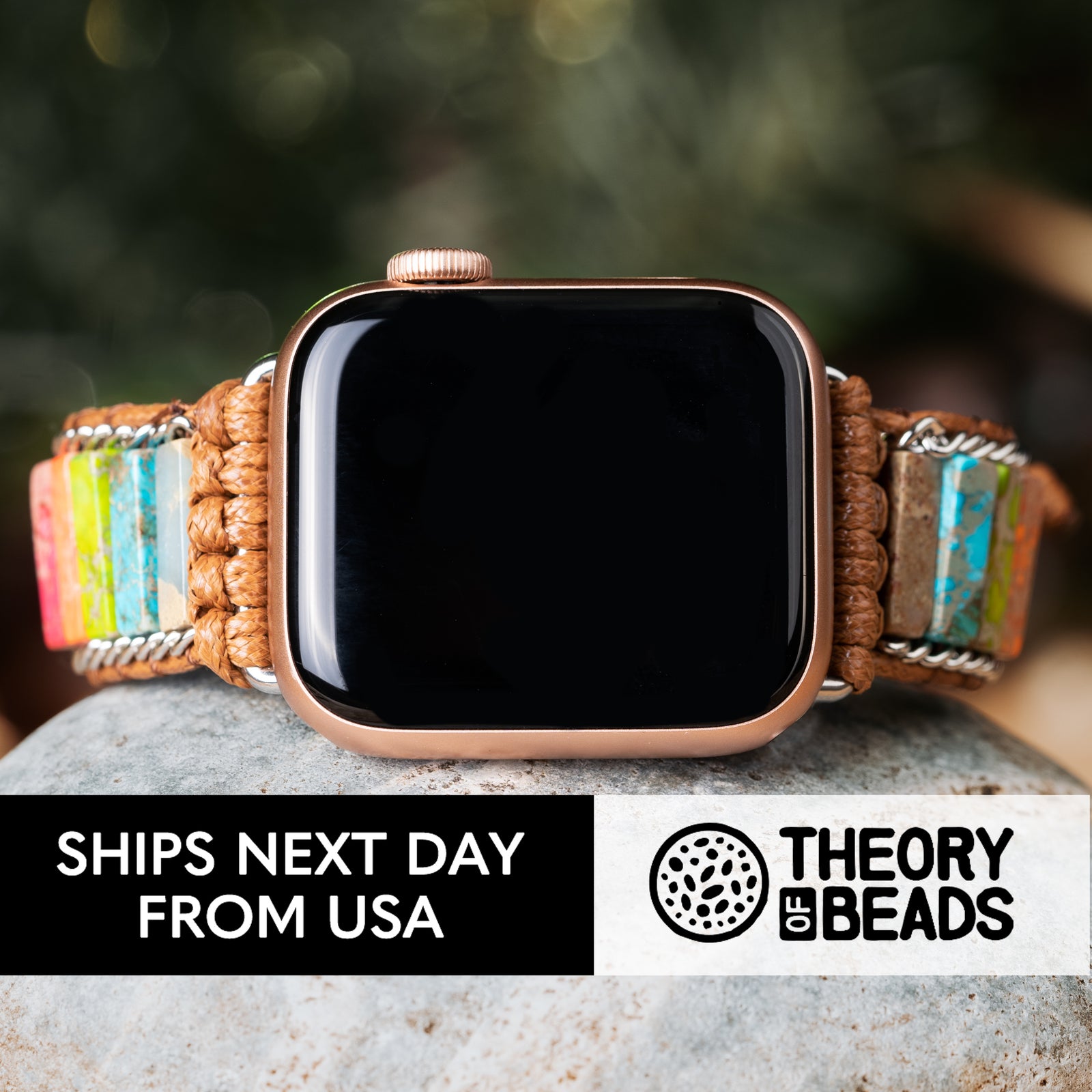
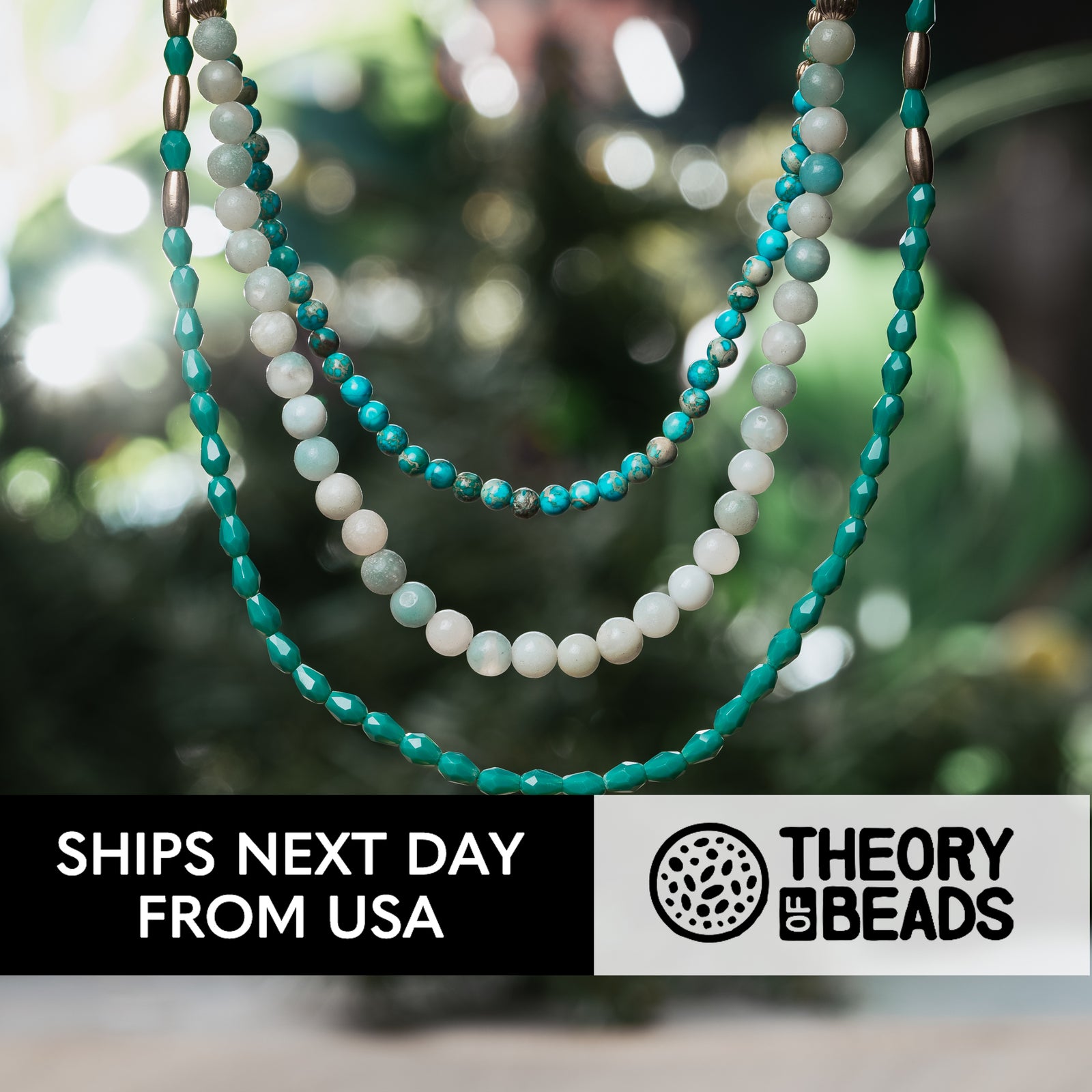
That confusion is understandable. Turquoise and Amazonite can look surprisingly similar in photos, especially when lighting and screen settings affect the color. Look more closely, however, and the differences become easier to spot. Turquoise usually has a brighter blue color and distinctive matrix veining, while Amazonite generally has softer blue-green shades with white or cream-colored streaks.
If you’re comparing turquoise vs amazonite, this guide will help you distinguish the stones by color, pattern, symbolism, durability, and bracelet style. You’ll also learn which option may be better suited to your wardrobe and everyday routine.
What Is a Turquoise Bracelet?
A turquoise bracelet is made with turquoise gemstones, which are recognized for their striking blue, teal, and blue-green shades. Many turquoise stones display brown, black, or golden matrix—the natural host-rock patterns visible within the gemstone—giving each bead a distinctive appearance. Some pieces have dramatic web-like markings, while others show very little matrix at all.
Important turquoise deposits have been found in regions including the southwestern United States, Mexico, China, and Iran. In jewelry, the stone may be shaped into smooth beads, carved pieces, or polished cabochons that put its natural color and markings on display.
Depending on the bead shape, setting, and accompanying materials, turquoise can work in Southwestern, bohemian, minimalist, and contemporary bracelet designs. It pairs especially well with silver, brown leather, wood, and other natural stones.
Turquoise Bracelet Meaning

The turquoise bracelet meaning is traditionally associated with protection, wisdom, strength, and good fortune. Across different cultural traditions, turquoise has been worn as a symbolic reminder of safe travel, resilience, and personal confidence.
Some wearers interpret turquoise as a reminder of optimism and personal growth. Others choose it simply for its vivid color, natural matrix patterns, and long history in jewelry design. These associations are symbolic rather than scientific, but they can still make a bracelet feel personal to its wearer.
What Is an Amazonite Bracelet?
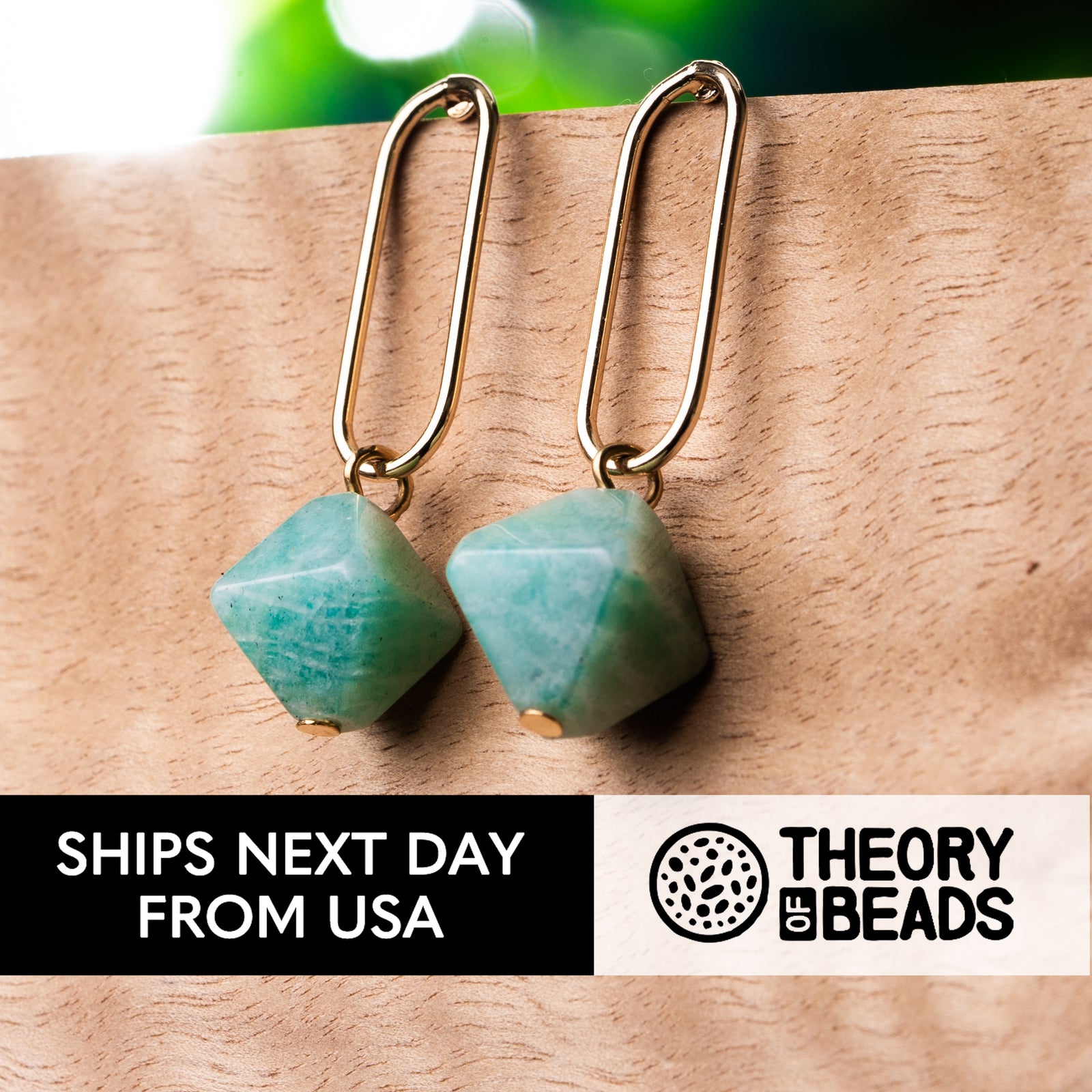
An Amazonite bracelet is made with beads or polished pieces of Amazonite, a blue-green variety of microcline feldspar. Its color can range from pale mint and seafoam green to richer shades of teal. White streaks, cloudy patches, and soft cream-colored markings are also common.
Amazonite deposits are found in several parts of the world, including Brazil, Madagascar, Russia, and the United States, particularly Colorado and Virginia. Jewelry makers often cut it into smooth round beads, faceted beads, or polished nuggets that highlight its shifting colors and natural marbling.
Its quiet colors make Amazonite well-suited to relaxed, nature-inspired, and minimalist jewelry. It offers enough variation to feel distinctive without having the high contrast often seen in turquoise.
Amazonite Bracelet Meaning

When people discuss the Amazonite bracelet meaning, they are usually referring to balance, harmony, honest communication, and emotional calm. These ideas come from spiritual and cultural traditions, not scientific evidence, but they can give the bracelet personal significance.
Many people choose Amazonite primarily for its appearance. Its blue-green color, pale streaks, and natural variation give each bracelet an easygoing character without making it feel overly bold.
Learn more about the inspiration and craftsmanship behind Theory of Beads gemstone bracelets.
Turquoise and Amazonite Bracelet Comparison
Although the stones share some blue-green shades, they are different minerals with their own patterns, histories, and care needs.
|
Comparison Point |
Turquoise |
Amazonite |
|
Stone type |
A hydrated phosphate mineral containing copper and aluminum |
A blue-green variety of microcline feldspar |
|
Typical color |
Sky blue, bright blue, teal, or blue-green |
Seafoam, mint, aqua, or soft blue-green |
|
Surface patterns |
May show brown, black, or golden matrix and web-like markings |
Often has white streaks, cloudy patches, or cream-colored marbling |
|
Overall appearance |
Bold, vibrant, and high contrast |
Soft, relaxed, and understated |
|
Historical use |
Used in jewelry and decorative objects for thousands of years across many cultures |
Used in jewelry and decorative objects since ancient times and still popular in modern designs |
|
Traditional symbolism |
Protection, wisdom, confidence, and good fortune |
Balance, harmony, communication, and emotional clarity |
|
Hardness and care |
Approximately 5–6 on the Mohs scale; relatively porous and sensitive to chemicals, oils, and impact |
Approximately 6–6.5 on the Mohs scale; somewhat harder but still vulnerable to scratches and chips |
|
Popular bracelet styles |
Southwestern, bohemian, leather, and statement designs |
Minimalist, nature-inspired, stackable, and everyday designs |
|
Natural variation |
Color, matrix, porosity, and treatments can create noticeable differences between stones |
White streaks, cloudy patches, and shifts between blue and green make every stone slightly different |
|
Best suited to |
Someone who enjoys vivid color and distinctive patterns |
Someone who prefers subtle color and a softer look |
Which One Should You Choose?
When comparing turquoise vs amazonite, consider more than color. Pattern, symbolism, durability, and how frequently you plan to wear the bracelet can all affect your choice. Turquoise may suit you if you prefer vivid blue shades and dramatic matrix patterns. Amazonite may be a better match if you like softer blue-green color, pale marbling, and an understated everyday look.
Choose Turquoise If You Prefer Bold Color and Natural Matrix

Turquoise is a strong choice when you want the bracelet to stand out. Its vivid blue shades and contrasting matrix can make it the focal point of an outfit. It also appeals to shoppers drawn to Southwestern, bohemian, and statement jewelry.
Because the appearance can vary so much from one stone to another, take time to study the actual bracelet rather than relying only on a representative product photo. One piece may have delicate webbing, while another may show broad areas of brown or black matrix.
Choose Amazonite If You Prefer Soft, Understated Color

Amazonite works well when you want a bracelet that blends easily into casual outfits. Its seafoam, mint, and blue-green shades create a softer appearance, while pale streaks add detail without producing strong contrast.
The stone is also a natural choice for layered bracelets. Its muted colors can sit alongside wood, leather, pearls, or neutral-colored beads without overwhelming the rest of the stack.
Consider Your Wardrobe and Other Jewelry
Turquoise looks especially good with warm neutrals, denim, brown leather, silver, and earthy shades. Amazonite complements white, cream, gray, light blue, rose gold, and other soft tones. Neither pairing is a rule, of course, but looking at the clothes you wear most often can make the decision easier.
If you plan to stack your bracelet, compare its bead size and color intensity with the jewelry you already own. A vivid turquoise bracelet can become the centerpiece of the stack. Amazonite often works better when you want the pieces to share the attention.
Decide Which Symbolism Resonates With You
If symbolism matters to you, turquoise is traditionally associated with protection, wisdom, and confidence. Amazonite is often connected with balance, communication, and harmony. These meanings are based on cultural traditions and personal interpretation, so choose the one that best represents the reminder you want to carry.
Explore how people use bracelets as reminders of balance and intention.
How to Care for Turquoise and Amazonite Bracelets
Both gemstones should be handled carefully, but turquoise generally needs more protection because it is relatively porous. Keep it away from perfume, lotion, household cleaners, prolonged moisture, and excessive heat. Oils and chemicals may gradually affect the stone’s surface or color.
Amazonite is slightly harder, but that does not make it indestructible. A hard knock against a countertop or metal object can still scratch or chip a bead.
Remove either bracelet before swimming, showering, exercising, or doing household work. Wipe the beads gently with a soft, dry cloth after wearing them, and store the bracelet away from harder jewelry that could scratch its surface. Avoid ultrasonic and steam cleaners unless a qualified jeweler confirms that they are appropriate for the entire piece.
Final Thoughts
Turquoise is likely the better choice if you want vivid color, distinctive matrix patterns, and symbolism connected with protection and confidence. Amazonite may suit you better if you prefer softer blue-green shades, subtle marbling, and associations with balance and communication.
If you’re still deciding between turquoise vs amazonite, compare the bracelets with your wardrobe and existing jewelry. The best choice is the stone whose color, pattern, and symbolism you’ll continue to enjoy wearing.
Shop Turquoise and Amazonite Jewelry
Browse Theory of Beads to compare natural gemstone colors, patterns, bead sizes, and bracelet styles. Because gemstones naturally vary, each finished piece may have its own combination of shades and markings.
Explore our handcrafted gemstone bracelets to find colors and patterns that fit your style. You can also browse the triple-wrap bracelet collection for layered designs or pair your bracelet with one of our natural gemstone necklaces.
Frequently Asked Questions
What is the main difference between turquoise and Amazonite bracelets?
Turquoise typically has a brighter blue color with brown, black, or golden matrix patterns. Amazonite usually has a softer blue-green color with white streaks or cloudy marbling. The two stones also differ in mineral composition, hardness, traditional symbolism, and care requirements.
Is one stone more valuable than the other?
High-quality natural turquoise can command higher prices, particularly when it has desirable color, limited matrix, or documented origin. Amazonite is generally more accessible, although price still depends on color, bead quality, size, craftsmanship, and the bracelet’s other materials.
How do I decide between turquoise vs amazonite?
Choose turquoise if you prefer vivid blue color, prominent matrix patterns, and a bolder visual effect. Choose Amazonite if you prefer softer blue-green tones, pale marbling, and an understated look that blends easily with everyday outfits.
Can these gemstone bracelets be worn every day?
Yes, but both stones require reasonable care. Turquoise is porous and should be protected from water, lotion, perfume, chemicals, and oils. Amazonite is slightly harder but can still scratch or chip. Remove either bracelet before swimming, showering, exercising, or doing household work.
Do the stones look exactly the same in every bracelet?
No. Natural gemstones vary in color, pattern, and texture. Turquoise may show different amounts of matrix, while Amazonite can shift from pale mint to richer blue-green. Those variations are part of what makes each bracelet unique.
Which stone is better for beginners?
Amazonite can be a practical starting point for someone who wants softer color and slightly greater hardness. Turquoise may be the better first choice for someone who prefers bold color, recognizable matrix patterns, and a stone with extensive cultural history. Both can work well when properly cared for.
Is turquoise vs amazonite a matter of appearance or meaning?
It can involve both. Turquoise offers brighter color, stronger matrix contrast, and symbolism associated with protection and confidence. Amazonite has softer blue-green tones and symbolism associated with balance and communication. Decide which combination of appearance and traditional meaning matters more to you.