
Chakra Bracelet Meaning: Which Stone Aligns With Each of the 7 Chakras?
Maybe a chakra bracelet came up in a conversation with a friend, or perhaps you noticed the same colorful gemstone bracelets appearing on social media. Either way, you may be wondering why the same seven colors keep showing up together and what each stone is supposed to represent.
A chakra bracelet symbolizes the seven primary chakras through a sequence of seven colors or gemstones. Each stone traditionally represents a different area of life, including grounding, creativity, confidence, compassion, communication, intuition, and spiritual awareness.
At first glance, a chakra bracelet may look like a simple piece of jewelry. Its seven colors, however, are connected to the chakra system found in Indian spiritual and yogic traditions. Modern chakra jewelry also incorporates contemporary gemstone symbolism, so the specific stones may vary from one bracelet to another.
If you’ve been wondering about chakra bracelet meaning, this guide will help clear things up. We’ll explore the seven chakras, the stones commonly associated with them, and how a 7 chakra bracelet is traditionally used to symbolize balance, awareness, and personal well-being.
What Is a 7 Chakra Bracelet?
A 7 chakra bracelet is a piece of jewelry featuring seven stones or colored beads that represent the seven primary chakras recognized in Indian spiritual and yogic traditions. In these traditions, chakras are described as energy centers associated with different emotional, symbolic, and spiritual qualities.
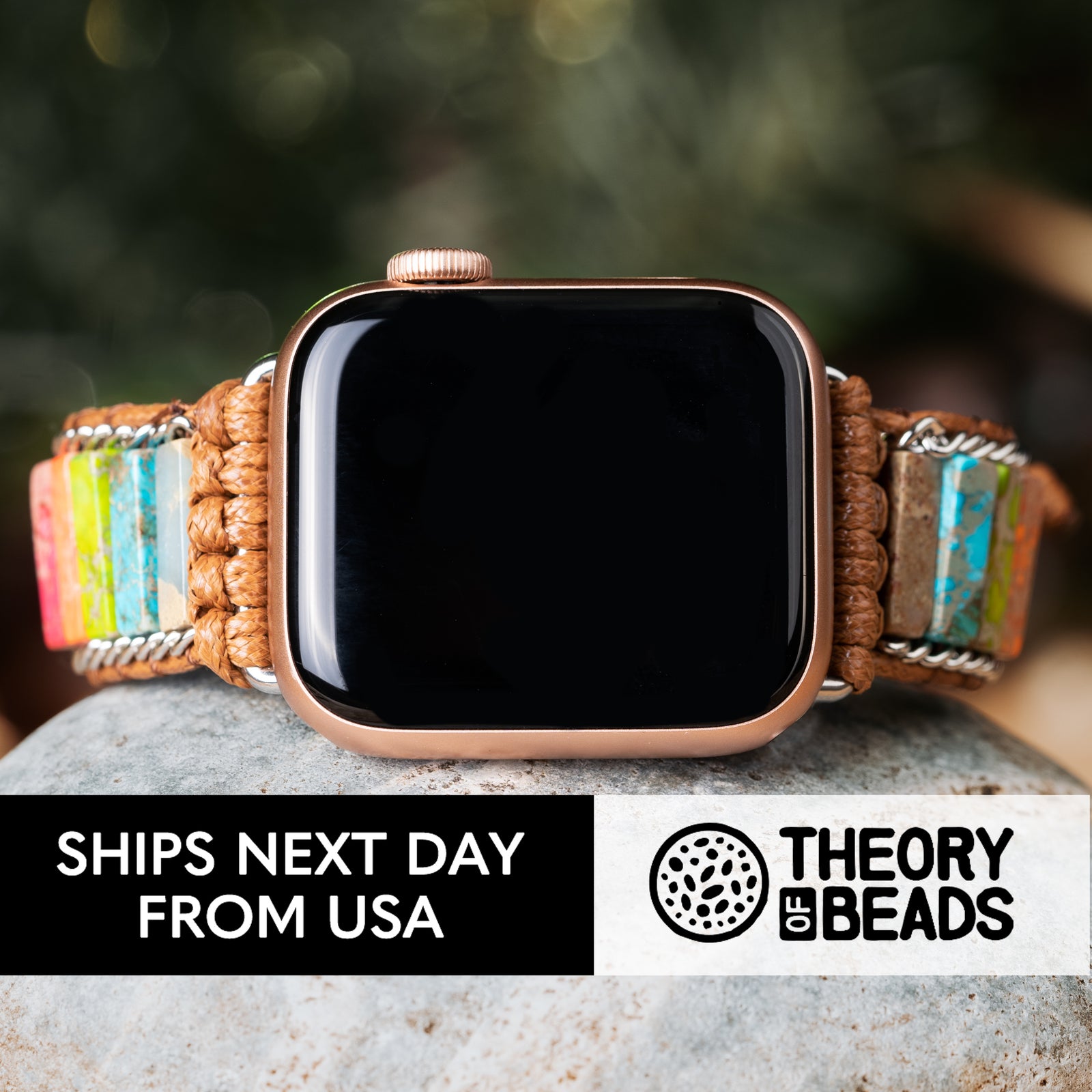
The bracelet typically follows a color sequence that begins with the Root Chakra and ends with the Crown Chakra. A common combination includes Red Jasper, Carnelian, Citrine, Green Aventurine, Lapis Lazuli, Amethyst, and Clear Quartz. However, there is no single required gemstone for every chakra, so different bracelet makers may use alternative stones with similar colors or symbolic associations.
Some people wear chakra bracelets simply for their colors and natural gemstones, while others use them during meditation, yoga, or mindfulness practices as symbolic reminders of balance and self-awareness.
Symbolic Benefits of Wearing a 7 Chakra Bracelet
Many people wear chakra bracelets because they appreciate the colors, natural gemstones, and symbolism behind the design. The bracelet may also serve as a personal reminder to practice mindfulness, reflect on an intention, or focus on an area of personal growth.
Common reasons people choose to wear a 7 chakra bracelet include:
Encourages Mindfulness Throughout the Day
Between work, family, errands, and constant notifications, it can be easy to move through the day on autopilot. A chakra bracelet can act as a visual reminder to pause, check in with yourself, and return your attention to the present moment.
Creates a Connection to Personal Intentions
Some people wear chakra bracelets as a reflection of their personal goals or intentions. Looking at the bracelet during the day may remind the wearer to focus on qualities such as patience, confidence, compassion, creativity, or self-awareness.
Supports Meditation and Wellness Practices
Chakra bracelets are often incorporated into meditation, yoga, breathing exercises, and other mindfulness activities. Touching or looking at the stones can provide a physical point of focus during meditation or moments of reflection.
Represents Balance Across the Seven Chakras
Because the bracelet represents all seven chakras, it traditionally symbolizes balance across the complete system rather than an intention associated with only one chakra.
Adds Meaning to Everyday Jewelry
While many pieces of jewelry are chosen primarily for their appearance, a chakra bracelet can carry an additional layer of personal meaning. Its colors, stones, and traditional associations may make it feel more significant to the wearer.
Encourages Self-Reflection
The chakra system is associated with themes such as communication, creativity, confidence, relationships, intuition, and personal growth. Wearing the bracelet may encourage the wearer to reflect on these different areas of life.
Combines Natural Beauty and Symbolism
Natural gemstones bring together color, texture, and individuality. Since natural stones can vary in color and pattern, each finished bracelet may have its own character. For many wearers, this combination of visual appeal and symbolism makes chakra jewelry especially interesting.
Chakra Stones Meaning: The 7 Stones and Their Chakra Connections
 Understanding chakra stones meaning begins with looking at the seven colors and the qualities traditionally associated with them. The combination below is commonly used, although some bracelets feature alternative gemstones for the same chakras.
Root Chakra Stone: Red Jasper
Traditional color: Red
Traditional location: Base of the spine
Red Jasper is commonly associated with the Root Chakra, which represents stability, security, and grounding. The Root Chakra forms the foundation of the seven-chakra system and is traditionally connected to feelings of safety, resilience, and connection to the physical world.
In modern gemstone traditions, Red Jasper commonly symbolizes strength, determination, and steady energy. Its deep red color reflects the grounding qualities traditionally associated with the Root Chakra.
Sacral Chakra Stone: Carnelian
Traditional color: Orange
Traditional location: Lower abdomen
Carnelian is commonly connected to the Sacral Chakra, the energy center associated with creativity, passion, emotions, enjoyment, and self-expression. This chakra is also traditionally linked to motivation and the ability to embrace new experiences.
With its vibrant orange color, Carnelian traditionally symbolizes enthusiasm, confidence, and creative energy. It is one of the most recognizable stones used in chakra jewelry.
Solar Plexus Chakra Stone: Citrine
Traditional color: Yellow
Traditional location: Upper abdomen
Citrine is frequently used to represent the Solar Plexus Chakra. This chakra is traditionally associated with personal power, confidence, self-belief, motivation, and decision-making.
The bright yellow appearance of Citrine reflects qualities such as optimism and inner strength. For some wearers, the stone serves as a symbolic reminder of motivation, confidence, and trust in their abilities.
To explore the symbolism associated with other gemstones, read our guide to what different stones mean in bracelets.
Heart Chakra Stone: Green Aventurine
Traditional color: Green
Traditional location: Center of the chest
Green Aventurine is frequently linked to the Heart Chakra, which represents love, compassion, kindness, forgiveness, and emotional balance.
The Heart Chakra sits between the three lower chakras and the three upper chakras. It is sometimes described as a bridge connecting physical and emotional concerns with communication, intuition, and spiritual awareness.
Green Aventurine’s calming green tones symbolize growth, connection, and openness toward both oneself and others. Some chakra bracelets use Rose Quartz, Jade, or Malachite as an alternative Heart Chakra stone.
Throat Chakra Stone: Lapis Lazuli
Traditional color: Blue
Traditional location: Throat
Lapis Lazuli is often associated with the Throat Chakra, the energy center traditionally connected to communication, honesty, listening, and self-expression.
This rich blue stone has a long history in jewelry and decorative art and is commonly associated with wisdom, honesty, and truth. Within modern chakra traditions, it symbolizes clear communication and the confidence to express one’s thoughts.
Sodalite, Aquamarine, Turquoise, and Blue Lace Agate are other stones sometimes used to represent the Throat Chakra.
Third Eye Chakra Stone: Amethyst
Traditional color: Indigo or purple
Traditional location: Between the eyebrows
Amethyst is commonly associated with the Third Eye Chakra, which represents intuition, insight, perception, and inner wisdom.
Its purple color has long been connected with reflection and spiritual exploration. In contemporary gemstone symbolism, Amethyst is associated with mindfulness, clarity, and deeper self-awareness.
Depending on the bracelet design, Amethyst may represent the Third Eye Chakra, the Crown Chakra, or both.
Crown Chakra Stone: Clear Quartz
Traditional color: Violet, clear, or white
Traditional location: Top of the head
Clear Quartz is often used to represent the Crown Chakra, the highest energy center in the chakra system. This chakra is traditionally associated with spiritual connection, consciousness, unity, and a broader sense of awareness.
Because of its transparent appearance, Clear Quartz is commonly used to symbolize clarity and balance. It often appears at the end of the bracelet’s color sequence as the stone associated with the Crown Chakra.
Some bracelets use Amethyst, Howlite, Moonstone, or Selenite instead of Clear Quartz.
Quick Reference Guide: Chakras, Colors, Stones, and Meanings
The chart below provides a quick overview of chakra stones meaning, including the color, gemstone, and symbolism commonly associated with each chakra.
|
Chakra |
Color |
Common Stone |
Traditional Meaning |
|
Root Chakra |
Red |
Red Jasper |
Grounding, stability, security |
|
Sacral Chakra |
Orange |
Carnelian |
Creativity, passion, emotional expression |
|
Solar Plexus Chakra |
Yellow |
Citrine |
Confidence, motivation, personal power |
|
Heart Chakra |
Green |
Green Aventurine |
Love, compassion, emotional balance |
|
Throat Chakra |
Blue |
Lapis Lazuli |
Communication, honesty, self-expression |
|
Third Eye Chakra |
Indigo or purple |
Amethyst |
Intuition, insight, awareness |
|
Crown Chakra |
Violet, white, or clear |
Clear Quartz |
Spiritual connection, clarity, consciousness |
Is a 7 Chakra Bracelet Right for You?
 A chakra bracelet can hold different meanings for different people. Some wear it as a mindfulness reminder, while others simply enjoy its colorful natural gemstones. Whether it is right for you depends on the style, symbolism, and purpose you value most.
A chakra bracelet may appeal to you if:
You Enjoy Jewelry With a Story Behind It
Chakra bracelets carry traditional symbolism in addition to their visual appeal. Their seven colors represent specific chakras, giving the overall design a meaning that many wearers appreciate.
You Practice Mindfulness or Meditation
A chakra bracelet can serve as a gentle reminder to slow down and stay present. Some people wear one while meditating, practicing yoga, journaling, or completing breathing exercises.
Natural Gemstones Catch Your Eye
If you are drawn to colorful gemstones and natural variations, the seven-stone combination offers a distinctive mix of colors, patterns, and textures. Because natural stones vary, each finished bracelet can have its own character.
You Like Wearing Meaningful Accessories
Some people choose jewelry that reflects an idea, intention, memory, or important area of personal growth. Chakra bracelets may appeal to those who enjoy accessories associated with balance, mindfulness, self-awareness, or spiritual exploration.
You Are Curious About Chakra Traditions
A bracelet can provide a visual introduction to the seven-chakra system. Its color sequence may inspire you to learn more about the individual chakras and their traditional associations.
You Want Something That Feels Personal
The best jewelry is often the jewelry that feels meaningful to the person wearing it. If the colors, natural stones, or symbolism of a chakra bracelet resonate with you, it may become a piece you enjoy wearing regularly.
If you are interested in experimenting with different colors and materials in handmade jewelry, you can also read about using transparent Tila beads in bracelet designs.
How to Choose a 7 Chakra Bracelet
When comparing chakra bracelets, look beyond the colors and consider the materials, construction, and fit. A well-made bracelet should identify the stones used and provide accurate sizing information.
Check the Gemstone Description
Review the product description to see whether the beads are identified as natural, treated, dyed, glass, or synthetic. Genuine natural stones usually contain small differences in color, pattern, and clarity, so perfectly identical beads may deserve a closer look.
Natural variation does not necessarily indicate poor quality. Small differences in shade, veining, or pattern are often part of what makes gemstone jewelry distinctive.
Choose a Comfortable Size
Check the bracelet’s length or recommended wrist-size range before purchasing. A bracelet should feel secure without pressing tightly against the skin or sliding excessively along the wrist.
If you are buying a stretch bracelet, consider both the bead size and the strength of the elastic. Larger gemstone beads can make a bracelet feel tighter and heavier than a design made with smaller beads.
Examine the Construction
For stretch bracelets, look for securely knotted elastic designed to support the weight of gemstone beads. For clasp bracelets, check the clasp type, stringing material, and metal description.
Well-finished beads should feel smooth against the skin, without sharp edges around the drilled holes. The bracelet should also move comfortably without exposing large gaps between the beads.
Remember That Stone Combinations Vary
A chakra bracelet does not have to use one exact set of gemstones. Bracelet makers may select different stones that share the color or symbolism associated with a particular chakra.
For example, Tiger’s Eye or Yellow Jade may replace Citrine, while Rose Quartz may be used for the Heart Chakra. Amethyst may represent the Third Eye Chakra, Crown Chakra, or both. Review the product description to understand the symbolism intended by the bracelet’s maker.
How to Care for a Chakra Bracelet
Keep your bracelet away from perfume, lotions, cleaning products, and prolonged moisture. Remove it before swimming, showering, exercising, or doing household work that could stretch the cord or damage the beads.
After wearing it, wipe the stones gently with a soft, dry cloth. Store the bracelet separately from harder jewelry or sharp objects that could scratch the stones, weaken the string, or damage the elastic.
Avoid assuming that every gemstone can safely be placed in water or direct sunlight. Care requirements vary depending on the stone, its hardness, and whether it has been dyed or treated. When in doubt, follow the care instructions provided by the jewelry maker.
Check stretch bracelets periodically for thinning, fraying, or reduced elasticity. Replacing worn elastic before it breaks can help prevent the loss of gemstone beads.
Final Thoughts
A chakra bracelet combines colorful gemstone jewelry with symbolism drawn from the seven-chakra system. Depending on the wearer, it may serve as a reminder of mindfulness and personal intentions or simply as an attractive piece of natural stone jewelry.
Learning about chakra bracelet meaning can provide a deeper appreciation for the colors and gemstones used in these designs. Whether you connect with the spiritual tradition or simply enjoy natural stone jewelry, knowing what the seven colors represent can make your bracelet feel more personal.
Ready to Find a Bracelet That Speaks to You?
Now that you understand what the seven stones represent, you can explore the colors, gemstones, and symbolism for yourself. Visit Theory of Beads to explore handmade natural stone jewelry inspired by color, balance, and personal meaning.
You can also explore our triple-wrap gemstone bracelets, natural stone necklaces, and handmade stone earrings to find jewelry that fits your style and personal story.
FAQs
What is the meaning of a chakra bracelet?
The chakra bracelet meaning comes from its representation of the seven primary chakras. Its colors and gemstones traditionally symbolize qualities such as grounding, creativity, confidence, compassion, communication, intuition, and spiritual awareness.
What stones are typically found in a 7 chakra bracelet?
A common combination includes Red Jasper, Carnelian, Citrine, Green Aventurine, Lapis Lazuli, Amethyst, and Clear Quartz. However, the gemstones can vary depending on the bracelet maker and the associations being followed.
Can anyone wear a chakra bracelet?
Yes. Anyone can wear a chakra bracelet, whether they appreciate its traditional symbolism, use it as a mindfulness reminder, or simply enjoy its natural gemstones and colors.
Do chakra bracelets have to be worn on a specific wrist?
There is no universal rule. Some modern spiritual practices associate the left wrist with receiving energy and the right wrist with expressing energy. However, you can wear the bracelet on whichever wrist feels most comfortable and practical.
Is there a difference between a chakra bracelet and a regular gemstone bracelet?
A chakra bracelet is intentionally designed around the seven chakras and usually features colors or stones associated with all seven energy centers. A regular gemstone bracelet may focus on one stone, a particular color combination, or appearance rather than chakra symbolism.
How can I choose the right chakra bracelet?
Check the stone descriptions, bracelet dimensions, stringing material, and care instructions. If natural gemstones matter to you, look for clear disclosure about whether the beads are natural, dyed, treated, glass, or synthetic. Finally, choose a color combination and style that you will genuinely enjoy wearing.
Do I need to believe in chakras to wear one?
Not at all. Some people wear chakra bracelets because they connect with the traditional symbolism. Others simply enjoy the colors, natural gemstones, and handcrafted appearance. Both reasons are equally valid.
Can the stones in different chakra bracelets vary?
Yes. The seven chakra colors generally follow a recognizable sequence, but the gemstones used to represent those colors can vary. For example, the Heart Chakra may be represented by Green Aventurine, Jade, Malachite, or Rose Quartz.
How should I care for my chakra bracelet?
Keep it away from chemicals and prolonged moisture, wipe it with a soft cloth, and store it separately from jewelry that could scratch the stones. Remove stretch bracelets before swimming, showering, exercising, or completing activities that could weaken the elastic.
Why is learning about chakra bracelet meaning helpful before buying one?
Understanding chakra bracelet meaning helps you recognize what the colors and stones traditionally represent. It can also help you compare different gemstone combinations and choose a bracelet that fits your style, interests, or personal intentions.